Most adults spend years unlearning the emotional habits they developed as children. Meanwhile, preschoolers master essential life skills — sharing, empathy, conflict resolution, patience — long before they understand the alphabet fully.
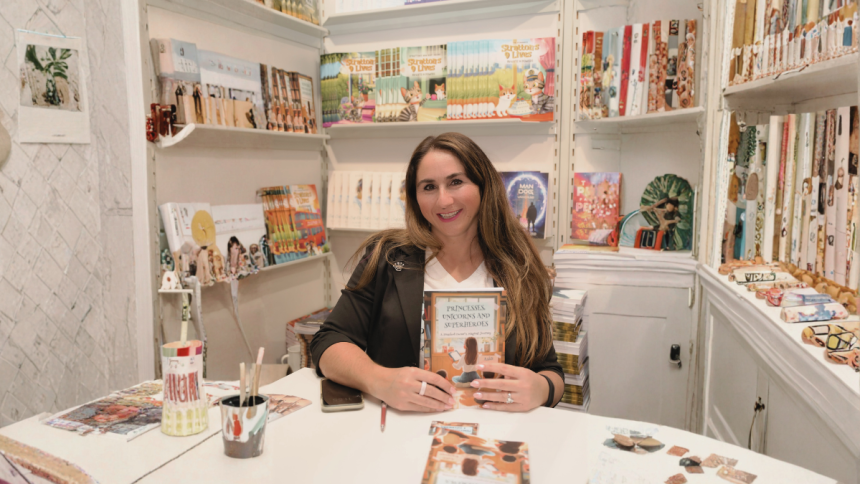
According to early childhood educator Ashli Kamaran, preschool is the first emotional training ground where children quietly learn how to be human.
A broken banana can feel like heartbreak.
A lost turn in line can trigger devastation.
A friend taking “your spot on the carpet” becomes a monumental crisis.
But behind every meltdown is an important moment of learning:
- Regulation
- Patience
- Perspective-taking
- Resilience
- Empathy
- Communication
Teachers guide children gently through these moments, shaping emotional intelligence with simple, everyday interactions. They teach children how to breathe through disappointment, how to compromise, how to comfort a friend, and how to recover quickly from frustration.
In the manuscript, Kamaran notes that by the time her preschoolers entered kindergarten, they were not just academically prepared — they had emotional toolboxes that set them apart.
The truth?
Emotional intelligence is not taught in adulthood.
It is built — quietly and consistently — on preschool floors, during tears, laughter, and glitter-covered chaos.
For parents worried about tantrums, sharing battles, or dramatic mood swings, the message is encouraging:
This is growth in motion.
This is learning.
This is emotional intelligence being born.